
Included rail technologies
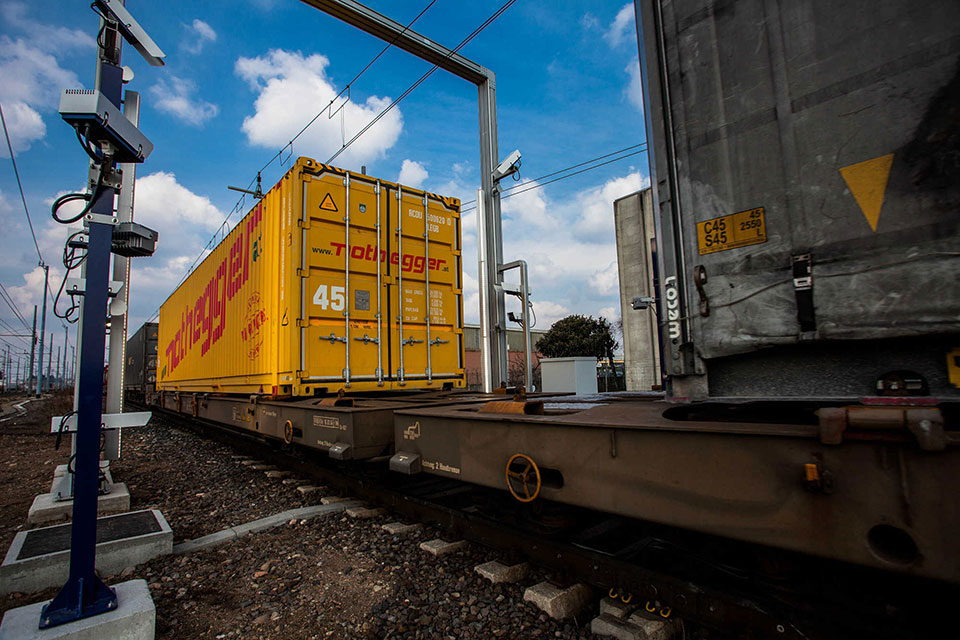
- Rail OCR portal – identifies wagons and containers automatically as trains pass through the portal.
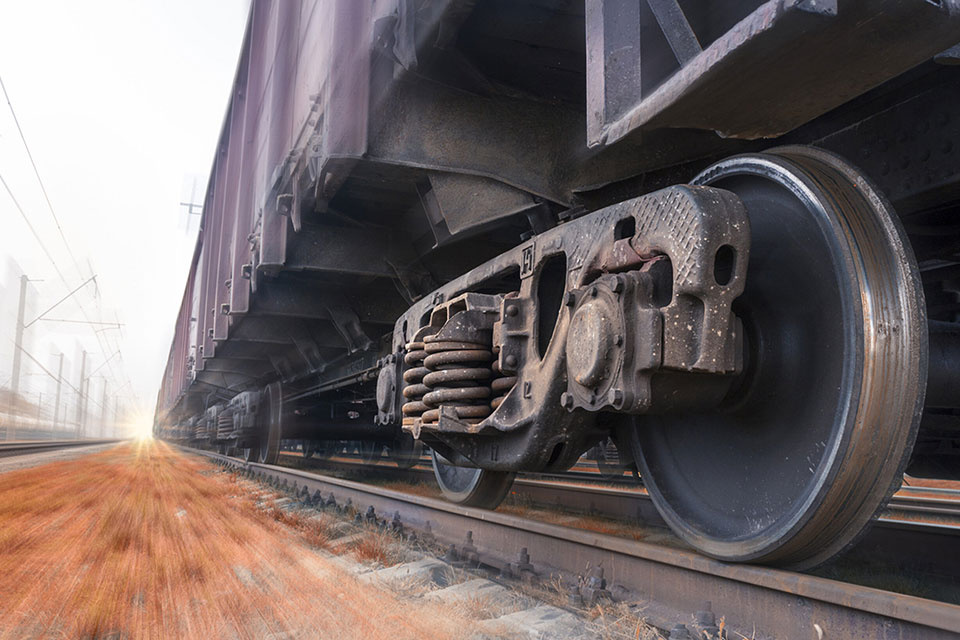
- Under Carriage Inspection – records detailed images of wagon underframes for safety and maintenance.
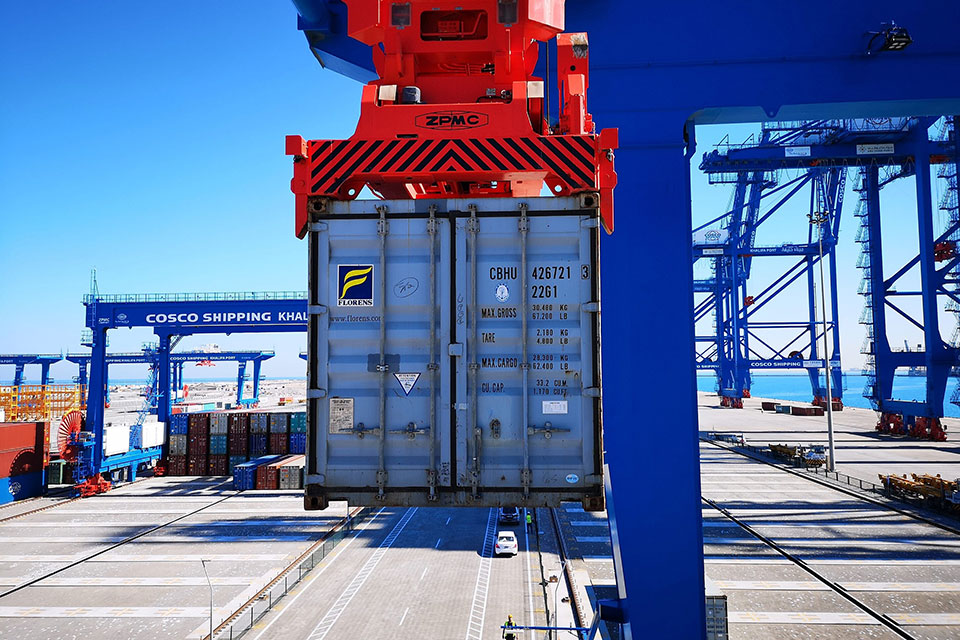
- RMG solutions – crane-mounted OCR systems that capture container identity and condition during rail handling.
Frequently Asked Questions about Rail Terminal Technology
Train processing cycle times, RMG productivity metrics, manifest accuracy rates, positioning precision trending, weather impact analysis, peak hour throughput capacity, demurrage avoidance statistics, and ROI calculations supporting continuous rail infrastructure optimization, staffing efficiency, and capital investment planning decisions.
Active illumination systems with dynamic brightness control, infrared imaging for low-light conditions, rain/wiper integration, thermal compensation for temperature extremes, anti-fog lens heaters, and AI-powered image enhancement algorithms maintain identification accuracy across seasonal weather variations and 24/7 operational requirements.
Bi-directional synchronization exchanges train arrival data, container location updates, RMG work completion status, rail dwell time metrics, demurrage exposure calculations, exception documentation, and capacity planning inputs ensuring rail operations visibility feeds terminal-wide optimization while receiving coordinated yard staging instructions.
Automated cross-verification against electronic train manifests identifies positioning discrepancies, missing containers, duplicate bookings, hazardous cargo mismatches, seal verification failures, and documentation exceptions generating prioritized RMG work adjustments, carrier notifications, customs alerts, and supervisor escalations maintaining manifest integrity.
Specialized dual-level imaging arrays independently identify upper and lower containers accounting for vertical offset parallax, overhead clearance limitations, lighting gradient differences, and stacking sequence priorities coordinating complex retrieval patterns across multi-tier rail cars maximizing double-stack density utilization.
Centimeter-level rail car positioning combines track-embedded sensors, optical rail edge detection, wheel counting encoders, GPS augmentation for yard positioning, and machine learning pattern recognition placing containers within 5cm tolerance for RMG spreader engagement regardless of car length, train configuration, or positioning variations.
Precise container coordinate mapping synchronizes OCR identification data with RMG crane control systems providing exact pick locations, stacking sequence optimization, anti-collision protection between adjacent gantry spans, real-time verification feedback, and automated work order progression eliminating manual coordination between rail processing and crane movements.
Rail-mounted high-resolution camera arrays positioned along track corridors capture container codes from overhead gantry positions, rail car side profiles, and angled approaches using industrial-grade optics with adaptive track-following mechanisms, weather-sealed enclosures, and vibration compensation ensuring reliable identification across moving train consists.
