
Included quay technologies
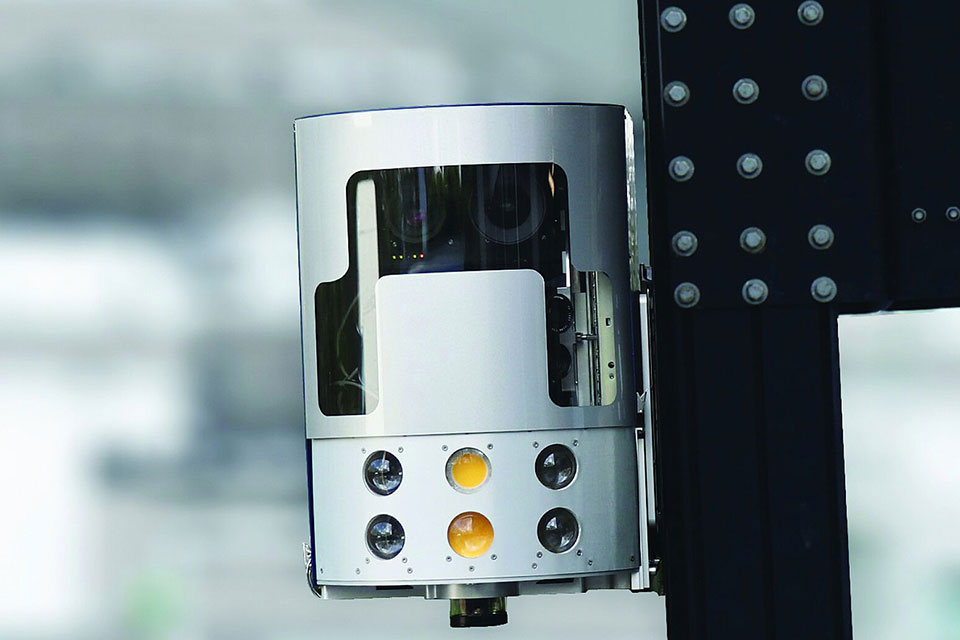
- BoxCatcher STS crane OCR – a dynamic traveling camera system that captures full OCR during STS operations.
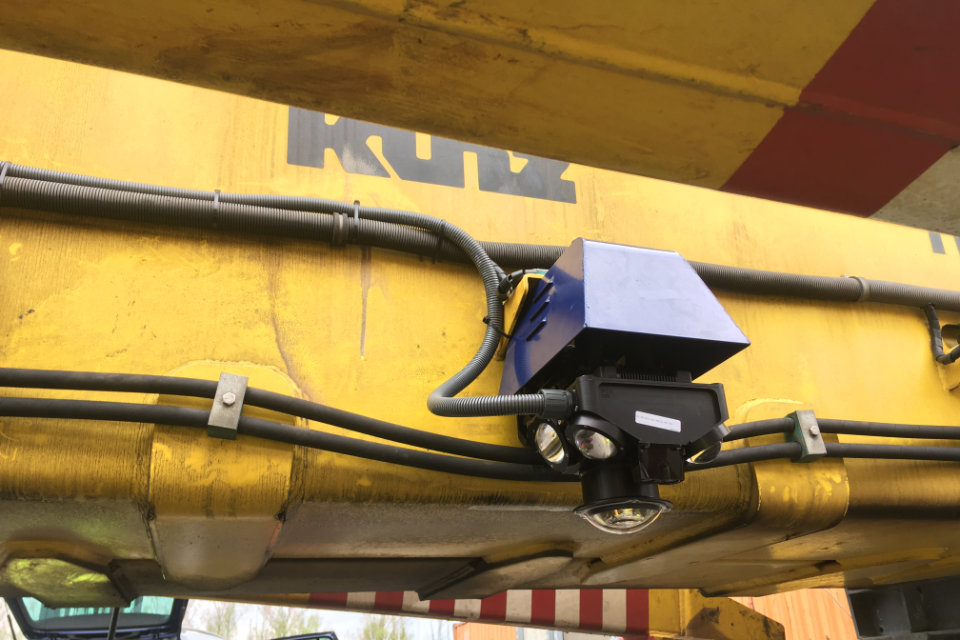
- Static crane OCR – fixed camera setups for lane-based identification and condition imaging.
- Spreader camera – live visibility beneath the spreader to assist pick-up and set-down accuracy.
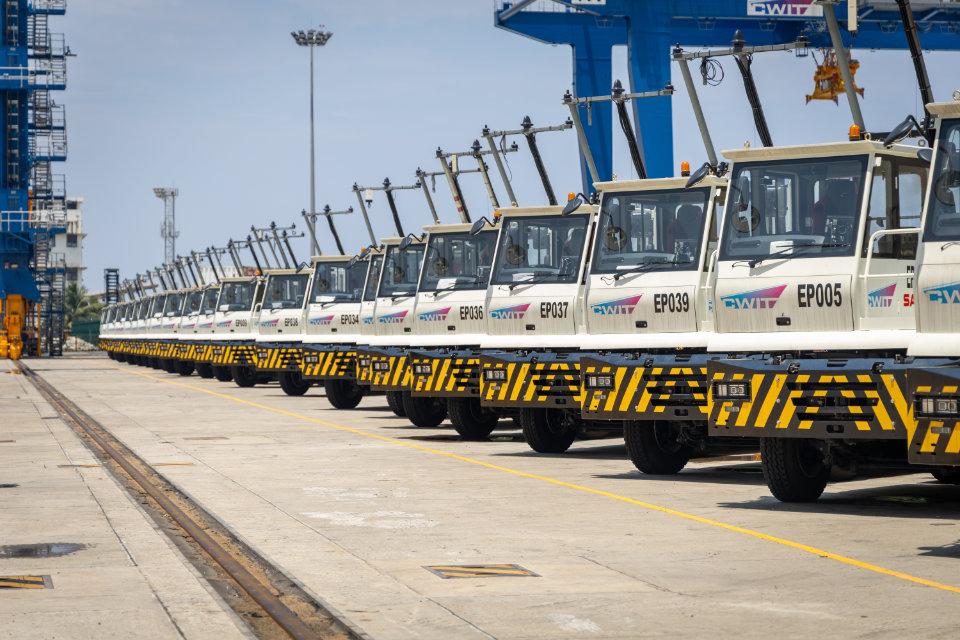
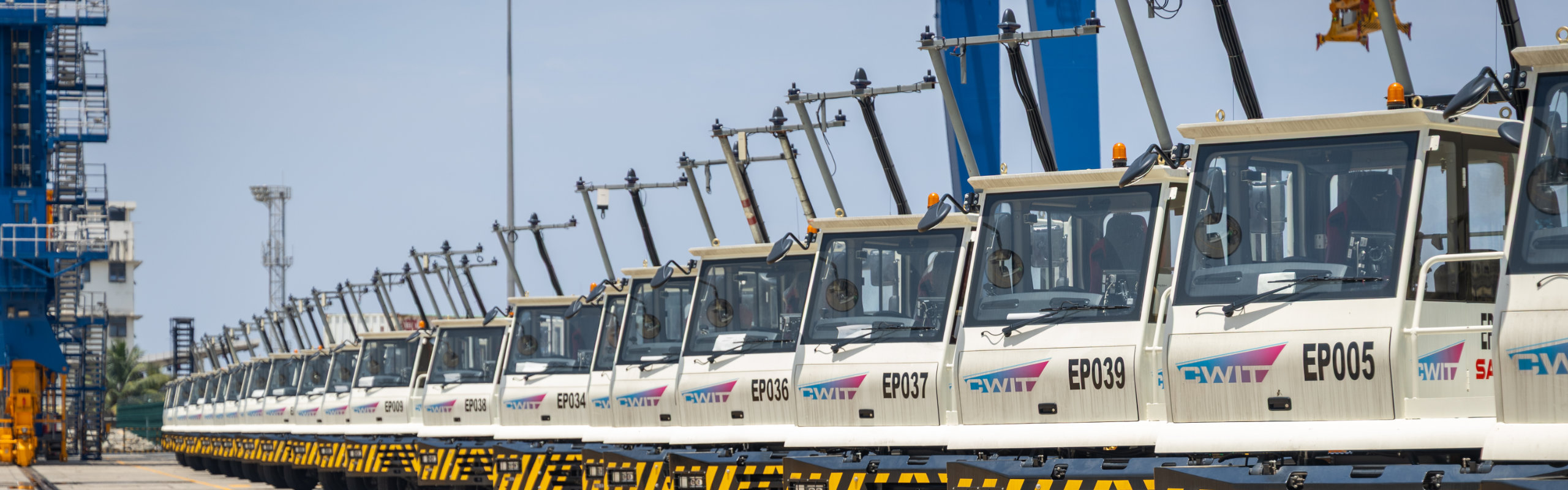
- ITV identification & alignment – identifies trucks and positions them accurately under the crane.
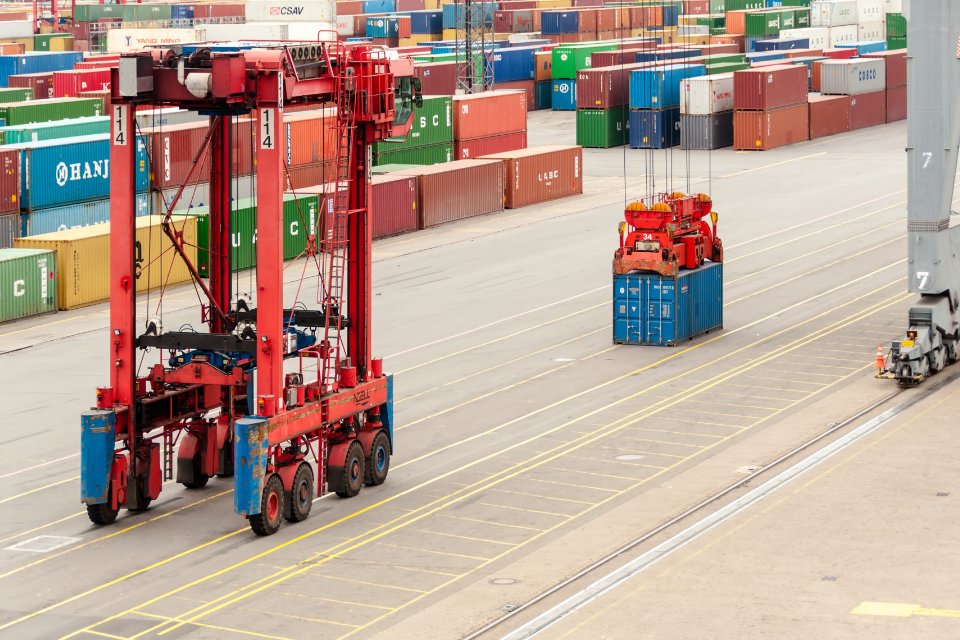
- SC identification & alignment – verifies straddle carrier identity and ensures correct set-down locations.
Frequently Asked Questions about Quay Crane Technology
Moves-per-hour trending, cycle time component breakdown, operator productivity comparisons, positioning accuracy statistics, sway mitigation effectiveness, vessel stay duration correlation, peak period capacity utilization, equipment health monitoring, and ROI projections supporting crane configuration optimization, staffing decisions, and infrastructure upgrade planning.
Vessel discharge/load sequence optimization, real-time work order updates based on confirmed picks, crane cycle time feedback refining future planning, bay-specific productivity benchmarking, exception handling with photo documentation, and capacity constraint modeling ensure quay operations align with terminal-wide optimization objectives and realistic equipment capabilities.
Spreader-mounted sensors confirm physical connection between crane and container through electrical continuity, mechanical load confirmation, position encoding, and visual verification cameras detecting proper corner casting alignment, twistlock rotation completion, and secure engagement preventing premature lifts, load drops, or positioning errors during crane movements.
Control room workstations with 4K multi-camera feeds, synthetic 3D vessel bay reconstructions, AR positioning overlays, automated work sequencing assistance, sway compensation automation, collision avoidance warnings, and hands-free voice interaction enable experienced operators to manage multiple cranes simultaneously boosting overall quay productivity beyond single-cab limitations.
Real-time pendulum motion analysis during hoist, trolley acceleration/deceleration, and gantry slewing generates predictive damping commands to crane drives preemptively countering sway development before amplitude buildup allowing higher hoist speeds, reduced stabilization delays, smoother inter-bay transfers, and safer suspended load handling throughout complete crane cycles.
Centimeter-level guidance systems combine laser positioning references, GNSS augmentation, inertial navigation during trolley travel, spreader attitude sensors, and machine learning path prediction delivering sub-10cm placement accuracy for both vessel discharge and yard stacking operations critical for dense stowage plans and high-productivity crane cycles.
Quay-side camera arrays capture container codes from spreader approach positions across multiple bays/rows using high-magnification optics, stabilized mounting systems, glare-resistant coatings, AI-enhanced recognition for obscured/partially visible codes, and cross-verification against vessel stowage plans ensuring accurate identification before physical engagement.
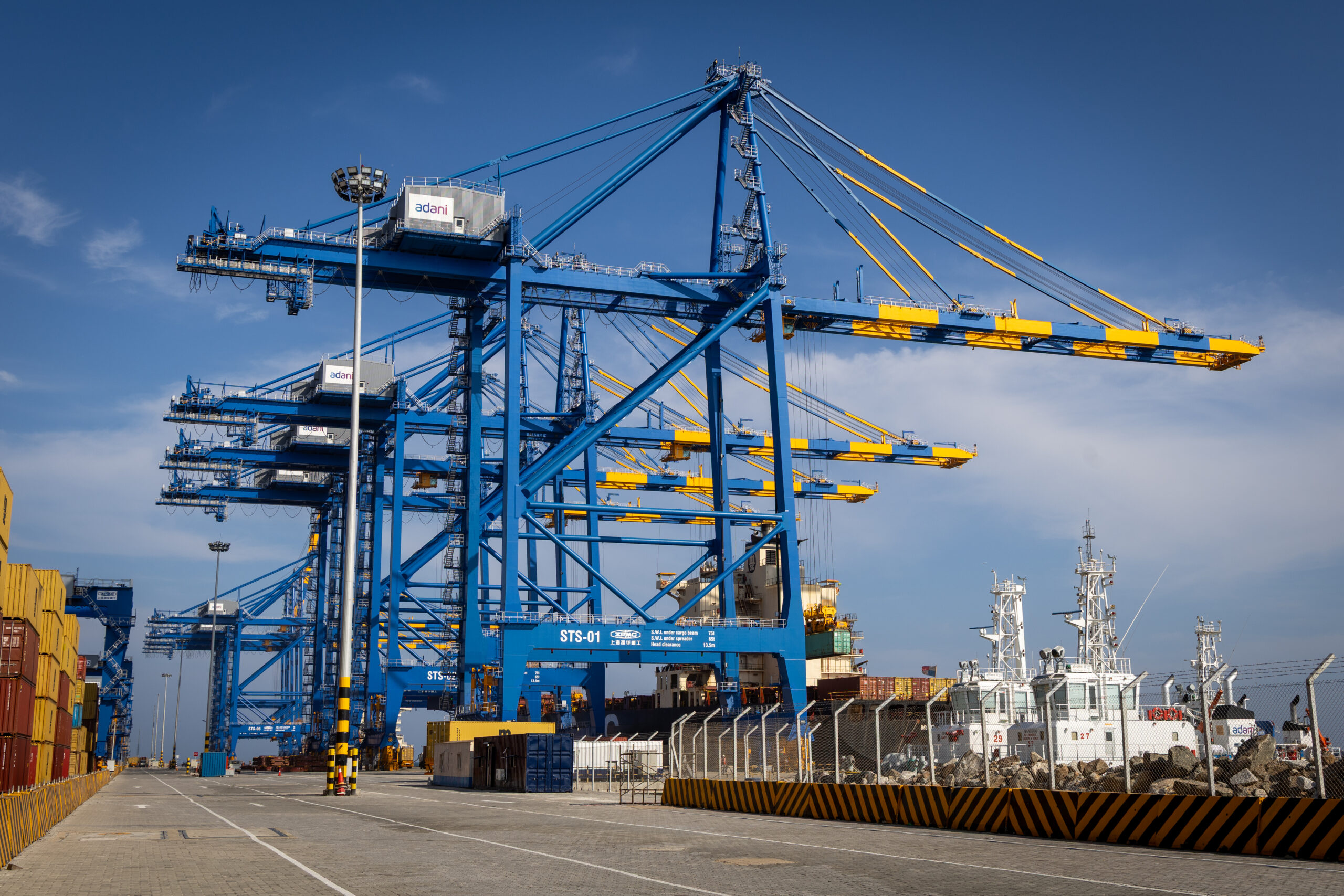
Ship-to-shore (STS) crane automation encompasses OCR container identification during vessel approach, precision positioning guidance systems, automated twistlock verification, anti-sway compensation algorithms, remote operation control stations, and real-time TOS integration optimizing vessel discharge/load cycles while maximizing crane productivity and safety.
