
Camco’s terminal software includes
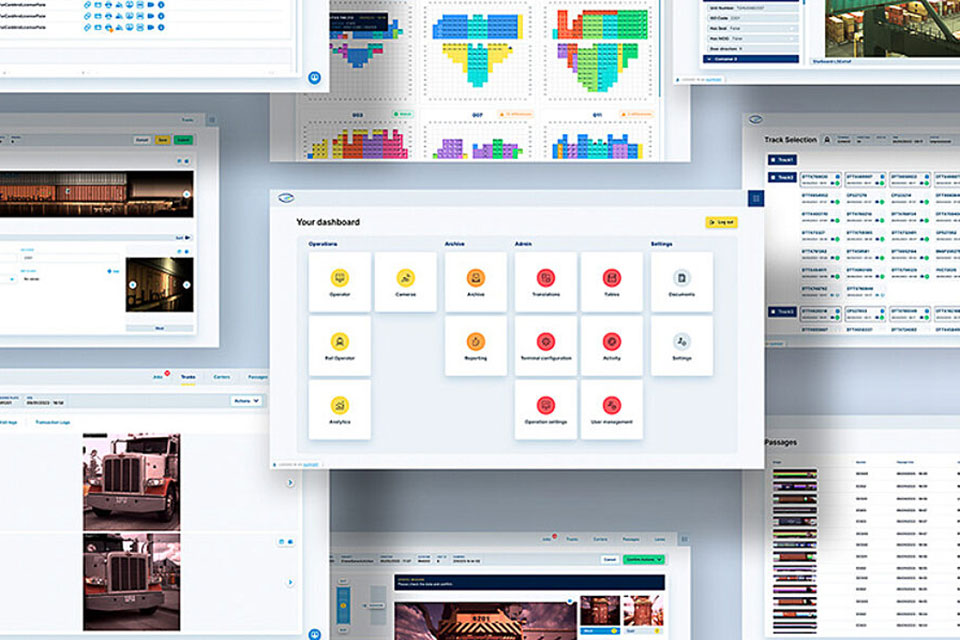
- THE BRIDGE (our unified platform) — the operational layer that unifies OCR, positioning, events and workflows across gate, yard, rail and waterside.
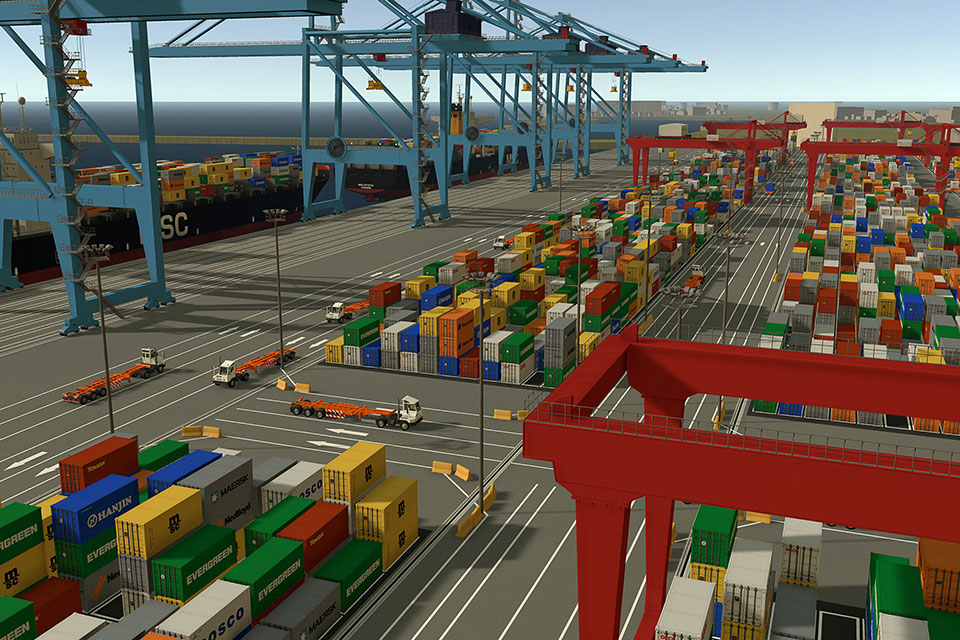
- THE TWINBRIDGE (our real-time digital twin platform) — a continuously updated virtual representation of the terminal used for monitoring, testing, playback, simulation and “what if” scenario analysis.
Together, these tools give terminal teams a consistent, real-time picture of what is happening — and a safe digital environment to test what comes next.
Frequently Asked Questions about Terminal Operating Software
Built-in analytics track gate processing efficiency, yard reshuffle rates, crane productivity metrics, equipment utilization patterns, dwell time distributions, throughput benchmarking, cost-per-move calculations, and capacity planning forecasts with drill-down capabilities, historical trend analysis, and what-if scenario modeling supporting strategic terminal optimization initiatives.
Multimodal capabilities coordinate container movements across road truck gates, rail train operations, inland barge handling, and vessel quay activities with unified planning across transport modes, synchronized documentation exchange, cross-modal slotting optimization, and integrated billing/consignment generation tailored for complex intermodal terminal environments.
Available as on-premises installation, private cloud deployment, hybrid configurations, or fully managed SaaS with containerized microservices architecture supporting horizontal scaling, geo-redundancy, disaster recovery options, and performance characteristics validated for high-volume terminals processing millions of container moves annually.
Real-time dashboards provide container location tracking, equipment status monitoring, gate throughput metrics, crane productivity KPIs, yard utilization heatmaps, vessel operation timelines, rail car loading progress, exception alerting, and executive reporting consolidating operational data into actionable insights for immediate decision-making across terminal management levels.
BRIDGE supports comprehensive industry standards including RESTful APIs, EDI message exchange (EDIFACT/IATA), database connectivity (SQL/NoSQL), equipment PLC protocols, Navis N4 synchronization, rail interface standards (Railinc/UTG), customs single-window compliance, and partner ecosystem connectors enabling seamless incorporation into existing terminal IT landscapes.
Advanced planning algorithms optimize container stacking sequences, predict reshuffle requirements, generate dynamic crane work plans, coordinate equipment movements, balance yard density across storage zones, schedule vessel operations, and adapt real-time to disruptions ensuring maximum throughput while minimizing operational inefficiencies and container dwell times.
BRIDGE TOS handles container receipt/delivery processing, yard stacking optimization, crane work order generation, equipment dispatch automation, gate transaction management, rail train planning, berth/vessel scheduling, billing/consignment documentation, customs compliance reporting, and executive dashboard analytics providing complete terminal orchestration capabilities.
The BRIDGE Terminal Operating System (TOS) serves as Camco’s flagship platform unifying container lifecycle management, real-time operational planning, equipment control orchestration, multimodal coordination, performance analytics, and system integration across gate entry, yard operations, quay crane activities, and rail/barge handoffs within modern terminals.
