Camco’s rail software includes
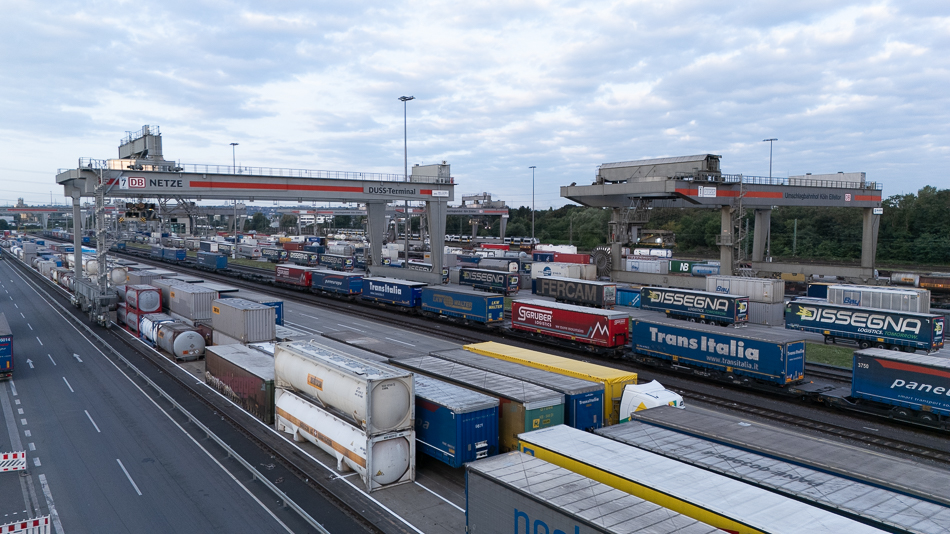
- Rail OCR System (ROS) – validates each pick and place against the rail plan. ROS combines crane PLC data, OCR results and TOS information to detect deviations instantly and record the final wagon position with certainty.
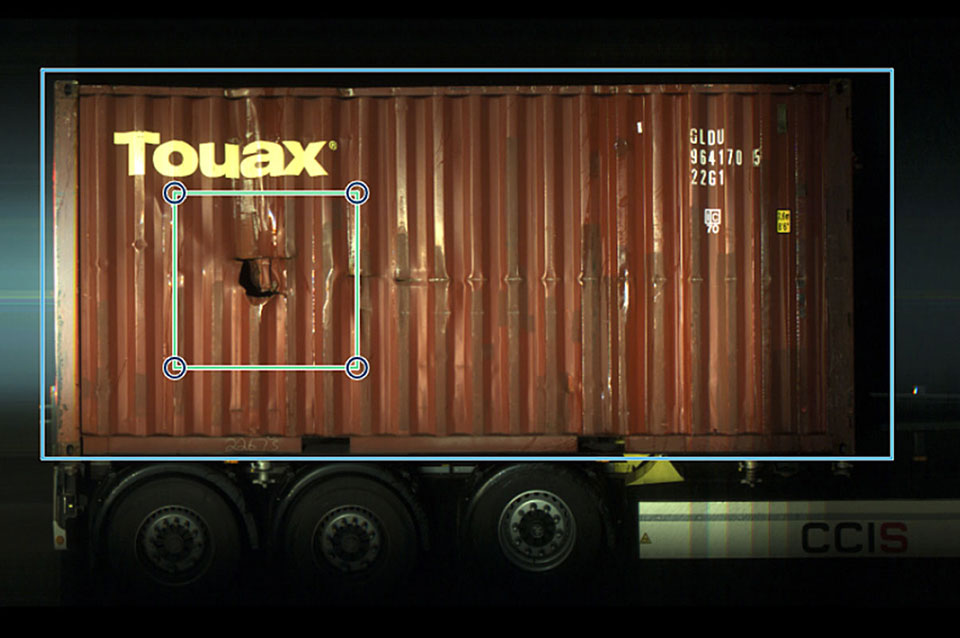
- Automated Damage Inspection (ADI) – captures high-resolution images during rail handling so container condition is documented at the moment of interchange. This supports EIR workflows, claims handling and operational reporting.
Together, these applications create a consistent rail process where moves are validated in real time, exceptions are visible immediately and container condition is captured as part of the standard workflow.
Frequently Asked Questions about Rail Terminal Software
Bidirectional coordination matches road truck arrivals with rail departure windows, sequences yard-to-rail staging, validates container handoff documentation, triggers cross-docking opportunities, manages rail cut-off compliance, and provides unified visibility across transport modes eliminating silos between road haulage and rail operations planning.
Rail dwell time trending, train turn performance metrics, RMG productivity benchmarking, container damage correlation analysis, demurrage cost exposure reporting, rail slot utilization heatmaps, carrier performance scoring, and capacity planning forecasts supporting data-driven rail operation improvements and infrastructure investment justification.
Specialized double-stack recognition algorithms identify upper/lower container positions, coordinate dual-level RMG operations, manage complex stacking retrieval sequences, track vertical clearance requirements, optimize double-stack density utilization, and generate specialized work instructions ensuring efficient processing of high-capacity intermodal rail equipment.
Precise rail car positioning guidance, container pick location designation, anti-collision zoning between multiple RMGs, load sequence work order generation, real-time container status updates, crane productivity telemetry feedback, and safety interlock integration optimizing rail unloading/loading cycles while protecting expensive rail handling equipment.
Comprehensive standards compliance includes Railinc/UTG interfaces, AAR container code protocols, EDI rail billing exchange, positive train control data feeds, customs rail manifest processing, intermodal partner synchronization, and terminal-specific rail operator protocols enabling seamless incorporation into established North American and European rail ecosystems.
Train arrival/departure scheduling, rail car positioning optimization, container loading sequence planning, demurrage exposure minimization, cut-off time management, RMG crane-to-rail coordination, cross-docking optimization, and storage-to-rail retrieval planning ensuring maximum rail utilization while synchronizing with road truck and vessel operations.
Multi-angle rail car imaging captures container codes regardless of position/orientation/weather conditions with AI-powered recognition algorithms, cross-verification against train manifest data, duplicate/missing container alerting, automated exception documentation, and digital audit trail generation eliminating manual verification errors common in traditional rail processing workflows.
ROS automates rail container identification and processing using high-accuracy OCR technology to read container codes on rail-mounted units, verify train consist accuracy, coordinate container-to-rail-slot matching, generate RMG crane work instructions, and integrate rail operations with TOS planning ensuring efficient rail dwell time management and seamless intermodal handoffs.
