
Camco’s gate software includes
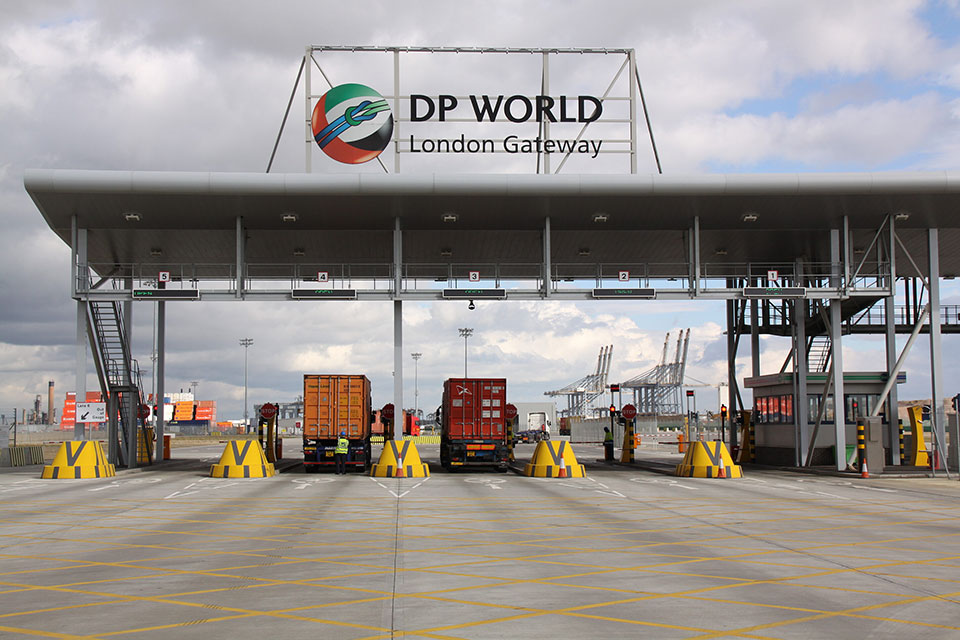
- Gate Operating System (GOS) – the orchestration layer that coordinates all gate processes and devices, connecting OCR portals, kiosks, access control and the TOS.
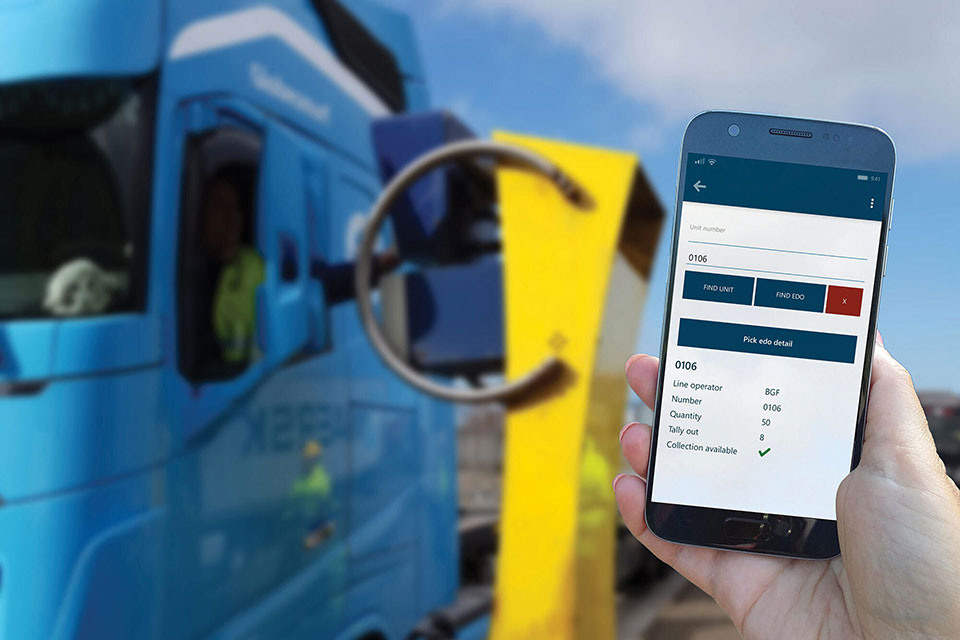
- Vehicle Booking System (VBS) – manages pre-arrival data, appointments and upstream validations so fewer decisions need to be made at the gate.
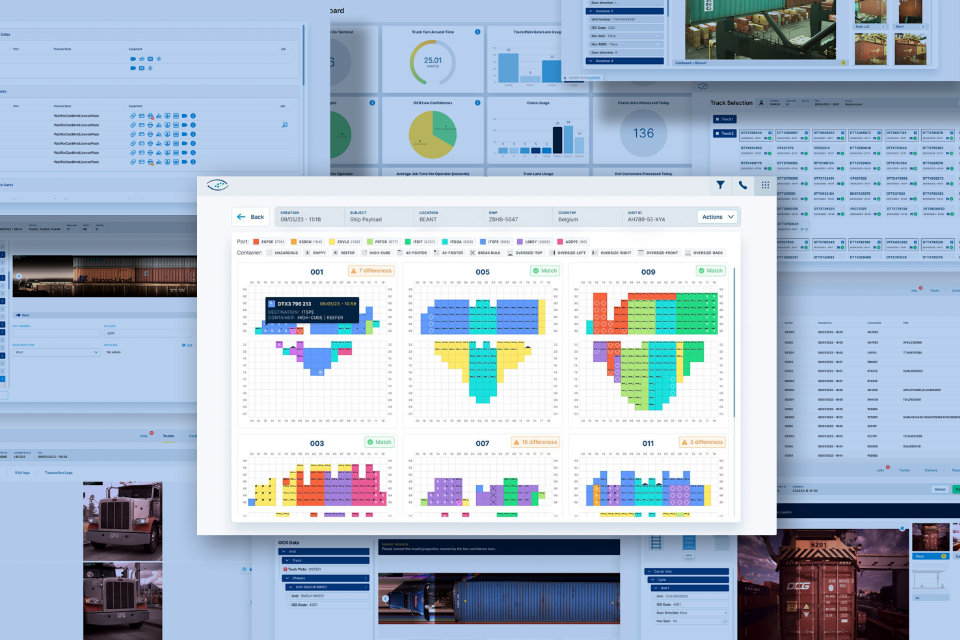
- Inter Terminal Transfer (ITT) – schedules and coordinates container transfers between terminals, ensuring capacity alignment and reducing manual coordination.
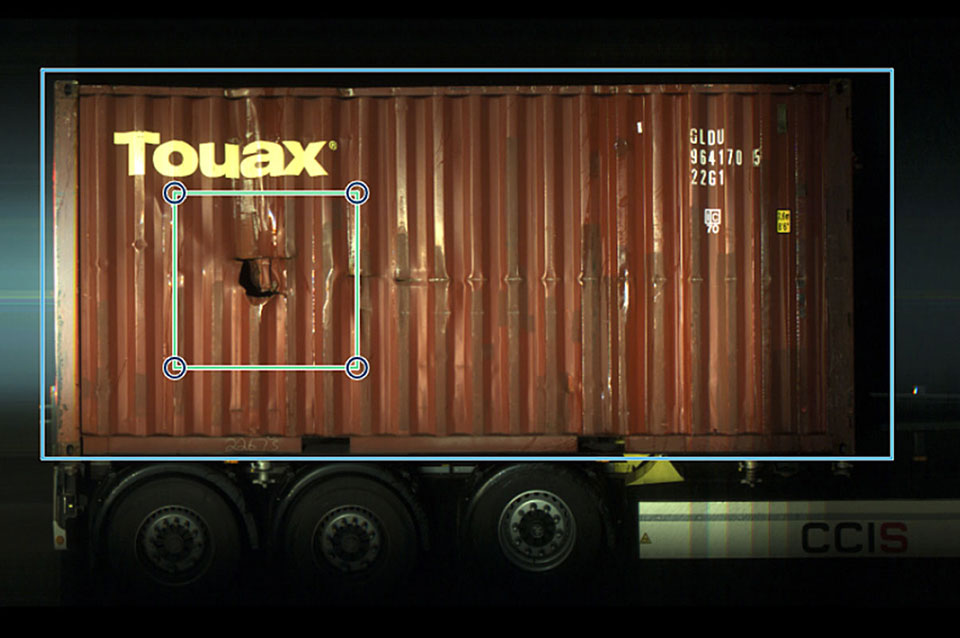
- Automated Damage Inspection (ADI) – captures and analyses container condition at arrival, supporting EIR workflows and providing consistent, evidence-ready documentation.
Together, these applications create a controlled and transparent gate flow with fewer exceptions, less friction and a more predictable operational rhythm.

Frequently Asked Questions about Gate Operating Software
Scalable architecture supports simultaneous multi-lane processing, dynamic queue management, self-service kiosk scaling, cloud bursting for peak demand, load-balanced OCR processing, and configurable transaction workflows that maintain performance during vessel cut-off rushes, seasonal peaks, or unexpected traffic surges without degradation.
Gate performance analytics track truck turn times, peak hour throughput, carrier efficiency rankings, exception rates, staffing optimization metrics, OCR accuracy statistics, damage detection trends, and compliance reporting with configurable dashboards, historical benchmarking, and export capabilities supporting continuous gate operation improvements.
Bi-directional TOS integration validates container bookings against truck arrival data, generates real-time yard staging instructions, updates container status records, coordinates equipment dispatch, handles transaction exceptions, and feeds gate performance metrics into terminal-wide planning systems maintaining data consistency across operational domains.
Digital document exchange automates Bills of Lading (BOL), delivery orders, customs declarations, weighbridge tickets, damage reports, and carrier instructions through EDI standards, OCR document scanning, digital signature capture, automated validation rules, and exception workflow routing ensuring complete audit trails and regulatory compliance.
Seamless ADI integration captures under-vehicle, side-profile, and container exterior imagery with AI-powered damage detection algorithms automatically flagging dents, contamination, seal violations, and structural issues generating instant inspection reports linked to container records for carrier acknowledgment and TOS work instruction updates.
Multi-factor driver verification combines facial recognition via truck camera portals, RFID badge scanning, mobile app authentication, PIN/biometric kiosks, digital documentation upload, and voice identification creating layered security while enabling self-service processing that reduces staffing requirements and accelerates gate transaction velocity.
High-accuracy OCR engines process license plates under diverse lighting/weather conditions supporting multiple regional formats, ANPR integration, duplicate detection, historical vehicle pattern recognition, and automated carrier identification linking trucks to container bookings for accelerated transaction processing and enhanced security validation.
The Gate Operating System (GOS) manages complete truck gate transaction lifecycle from arrival through exit processing including OCR license plate capture, container pre-advisory validation, driver identification verification, documentation exchange, damage assessment integration, weighbridge coordination, security screening, and seamless TOS work order generation for maximum gate throughput efficiency.
