
A common misconception is that adding OCR cameras transforms a manual gate into an automated one. In practice, OCR is just one small component in a much larger chain. Many terminals install OCR in the gate lanes and later discover that gate performance barely improves.
A fully automated gate must handle two parallel workflows:
- Security — verifying the driver and the truck
- Logistics — validating bookings and all container-related data
Beyond the gate itself, we also look upstream and downstream: pre-arrival processes, yard capacity, data quality, and the full chain from VBS to TOS. Camco’s Gate Automation Consulting clarifies and stabilizes this entire chain. We focus on operational flow, not on adding more technology.
What we do
We use a structured, proven multi-step approach that includes:
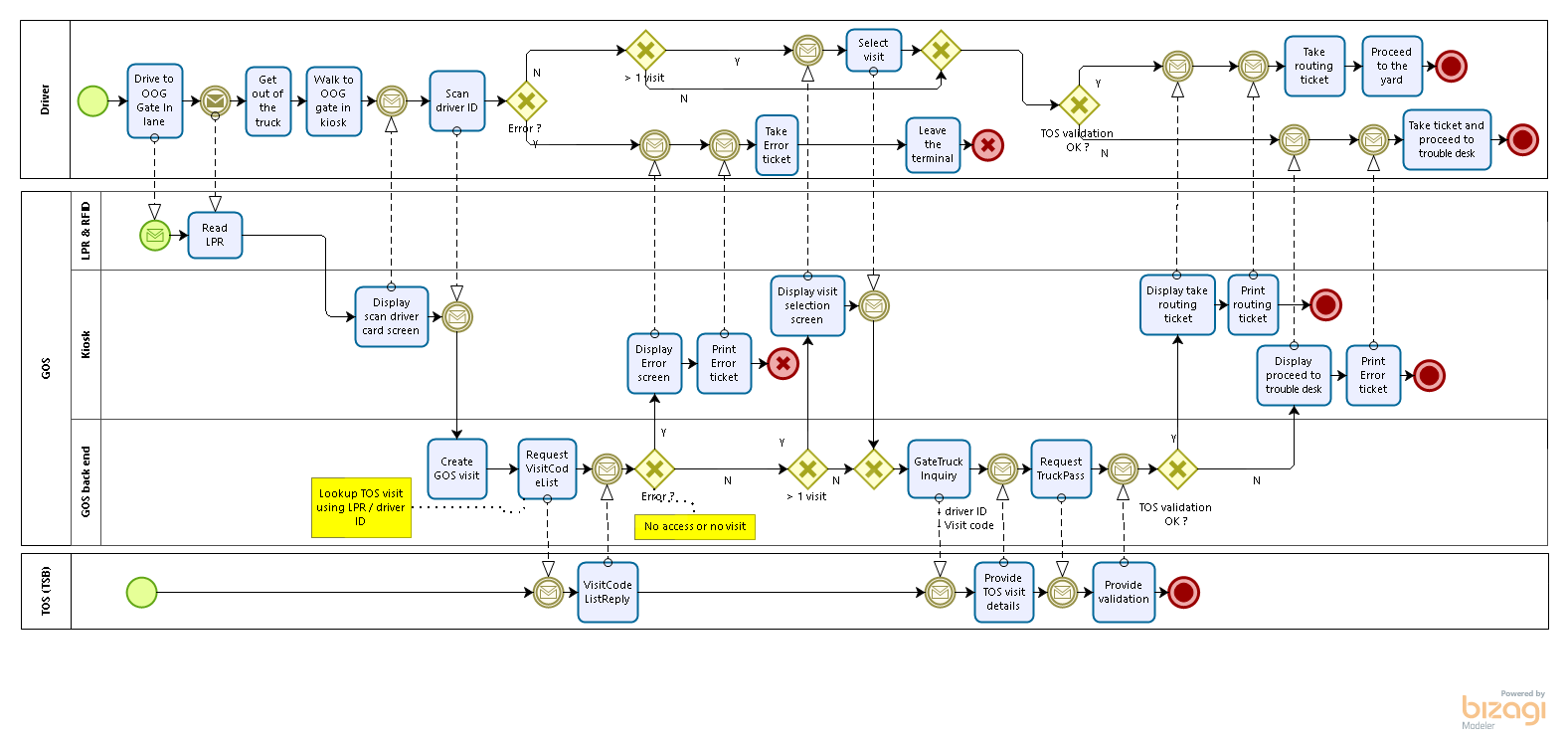
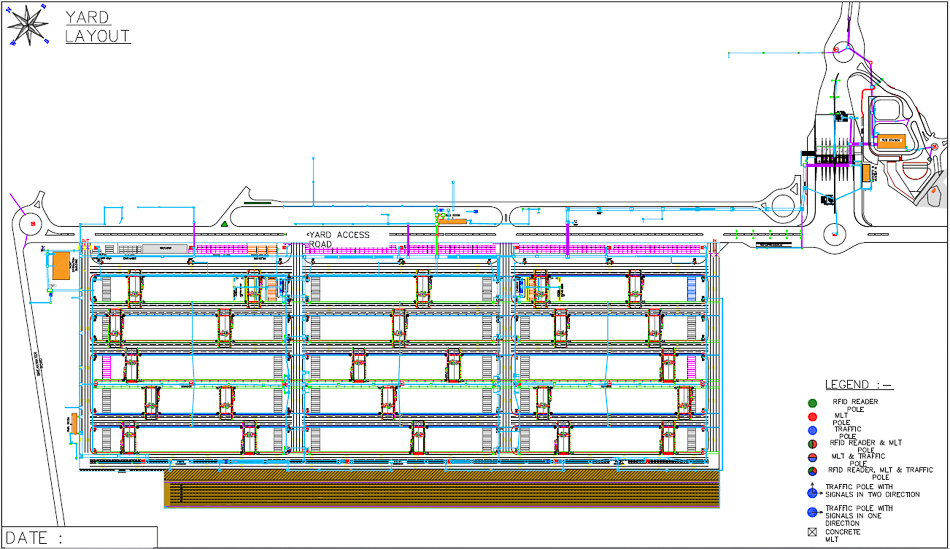
- Creating a full traffic-flow diagram
- Defining all data sources (VBS, OCR, weighbridges, RFID, kiosks, handhelds)
- Mapping where exceptions originate and how data moves between systems
The outcome is a gate design that fits your real operational constraints, not a theoretical ideal.
Typical outcomes
Our consulting work typically results in:
- A ready-to-implement gate design
- Clear recommendations for a tender package
- Best-practice guidance based on 20 years of experience
Deliverables
A successful gate project is completed in eight structured steps, with an optional ninth step for reporting design.
Together with the operational and IT teams, we define:
- Gate layouts
- Data sources (VBS / OCR / kiosks / handhelds)
- Traffic-flow diagrams
- Business-process flows
- Exception types and handling logic
- Monitoring tools
- KPIs
- Analytics
- Optional: report layout
No two terminal gates operate in the same way. Local constraints, staffing, equipment mix, traffic culture and regulations all influence how trucks arrive, register and move inside the terminal.
When these elements are not aligned, queues grow, manual checks increase and exceptions accumulate.
How we work
- Compact discovery phase to understand operational flows and data
- Joint design workshops with gate ops, planning and IT
- Clear documentation your teams can maintain and implement
Frequently Asked Questions about Gate Automation Systems
Bidirectional TOS integration confirms container eligibility, generates yard staging instructions, updates master records, dispatches equipment automatically, escalates transaction exceptions, captures performance telemetry, and provides gate queue visibility to executive dashboards maintaining data consistency across terminal operations.
Automated weight capture validates gross/tare calculations against booking data, enforces axle compliance limits, generates digital weighmaster certification, routes overweight exceptions efficiently, and feeds accurate container weights into TOS planning models ensuring regulatory compliance and operational accuracy.
Dynamic lane allocation by vehicle priority, intelligent queue management with wait-time predictions, scalable self-service capacity, pre-arrival holding coordination, carrier performance fast-tracking, and configurable workflows for routine/exception cases collectively maintain throughput during vessel cut-offs and seasonal demand spikes.
Touchscreen kiosks handle document scanning, digital signature capture, photo exception documentation, appointment validation, gate pass printing, real-time queue updates, and compliance checklists enabling driver-led transactions while maintaining complete digital audit trails and security verification processes.
Cab-facing camera systems verify driver identity through facial recognition, detect unauthorized passengers, monitor compliance with PPE/access policies, enable hands-free authentication via mobile integration, and capture digital evidence for audit trails accelerating secure processing during peak volume periods.
Systematic UVIS imaging documents chassis condition, mechanical components, potential concealment areas, hazardous residue, structural damage, and tampering indicators using multi-spectrum cameras, automated lighting control, and AI anomaly detection providing objective security screening evidence throughout transaction lifecycle.
Multi-camera ANPR systems capture license plates from front/rear/trailer positions using adaptive optics and AI recognition processing international formats at highway speeds with 99%+ accuracy automatically matching vehicles to container bookings, carrier authorizations, and appointment schedules for seamless transaction initiation.
Complete gate solutions combine OCR license plate recognition, under-vehicle surveillance imaging, driver identification portals, automated damage inspection (ADI), digital documentation processing, weighbridge integration, self-service kiosks, and TOS synchronization creating high-velocity truck processing while maintaining stringent security and compliance standards.
